Building Generational Wealth: Strategies for Lasting Prosperity
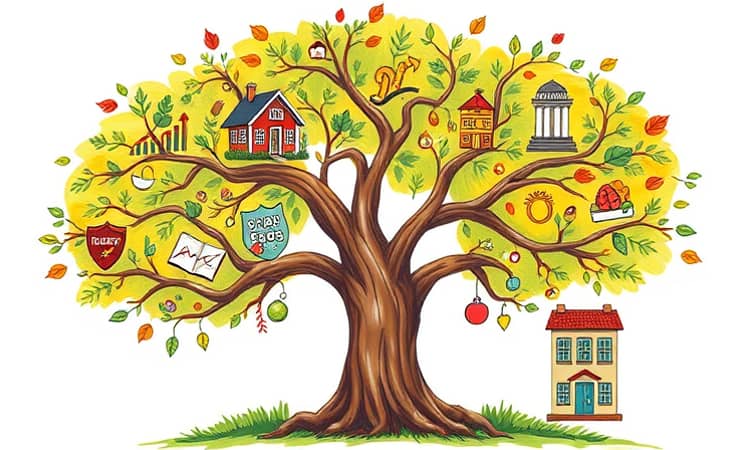
Generational wealth is more than just money; it's the foundation for lasting family stability and opportunity that can transform lives across decades.
Imagine creating a legacy that empowers your children and grandchildren to pursue dreams, secure education, and build meaningful lives without financial fear.
This journey requires strategic planning and mindful stewardship to ensure assets endure through the ages, fostering security and growth for generations to come.
Understanding Generational Wealth
At its core, generational wealth involves financial assets passed from one generation to the next, such as cash, real estate, or investments.
It emphasizes a holistic approach that goes beyond simple inheritance, focusing on preservation through education, planning, and shared values.
By avoiding pitfalls like entitlement or mismanagement, this wealth can alleviate inequalities and create safety nets that uplift entire family trajectories.
- It provides access to education and business opportunities.
- It builds resilience against economic downturns.
- It fosters a culture of responsibility and purpose.
Common Sources of Generational Wealth
Diverse avenues exist for accumulating assets that can be passed down, each offering unique benefits for long-term prosperity.
Understanding these sources helps in crafting a balanced and effective wealth-building strategy.
- Inheritances: Direct transfers of liquid assets, property, or business interests that form an immediate financial base.
- Business ownership: Family enterprises that generate multi-generational income when managed with succession plans and conflict resolution.
- Real estate investments: Appreciating assets that provide rental income and tax advantages, historically reliable for wealth accumulation.
- Investments: Stocks, bonds, and diversified portfolios that grow over time, such as low-basis stocks making up a significant portion of net worth.
- Other avenues: Savings accounts, life insurance, education funds, or sustainability-focused investments aligned with family values.
Key Strategies for Building Generational Wealth
Building generational wealth starts with personal financial discipline and expands into broader family-focused initiatives.
It's about making intentional choices today that will benefit future generations tomorrow.
- Start building wealth personally: Invest consistently, start a business, or use life insurance to create a financial cushion while balancing debt reduction and savings.
- Invest in education and self: Prioritize higher education and skills development, and plan for college costs for grandchildren with tax-efficient funding.
- Homeownership: Purchase property as a stable asset that appreciates and provides a pathway for family accumulation and security.
- Diversify portfolios: Spread assets across various investments to minimize risk and ensure long-term preservation, tailoring portfolios to different family branches.
- Integrate philanthropy: Use tools like Donor Advised Funds for tax benefits and to instill values, involving multiple generations in charitable giving.
Strategies for Preserving and Transferring Wealth
Preserving generational wealth requires proactive measures to protect assets from erosion due to taxes, conflicts, or poor management.
It's about creating systems that ensure smooth transitions and ongoing family harmony.
- Financial literacy and education: Start early with family money discussions and evolve lessons to cover investing, taxes, and responsible spending.
- Estate planning: Establish trusts, succession plans, and documents to mitigate estate taxes and clarify wishes.
- Tax optimization: Use strategies like strategic gifting and insurance reviews to reduce tax exposure during transfers.
- Family governance and culture: Build a value-based culture with mission statements and charters to define roles and expectations.
- Philanthropy and purpose: Instill responsibility through family foundations or Donor Advised Funds, enhancing community connection.
- Risk mitigation: Secure insurance for aging members and employ professional management for concentrated assets.
These steps help transform wealth from a mere number into a lasting legacy of shared values that unites rather than divides.
Real-World Case Studies and Examples
Learning from others' successes can provide practical insights and inspiration for your own generational wealth journey.
Here are a few examples that highlight effective strategies in action.
- $10M retired couple: Created a Family Wealth Philosophy Guide, held open discussions, and used an irrevocable trust to fund grandchildren's education without risking retirement.
- Nolan family: Managed sandwiched generations with a trust for aging mother, a Donor Advised Fund for tax benefits, and upgraded insurance.
- Second-generation entrepreneur family: Simplified complex assets, diversified portfolios, and focused on tax optimization and philanthropy.
- 4th-generation family: Built stewardship culture through financial literacy from adolescence, a family charter, and milestone trusts that launched businesses.
These cases demonstrate that with careful planning and family engagement, wealth can endure and flourish across generations.
Challenges and Risks to Overcome
Building generational wealth isn't without obstacles, but awareness and preparation can mitigate these risks effectively.
Common challenges include entitlement, family dynamics, tax complexities, and insurance gaps.
- Entitlement and conflict: Without education and governance, wealth can erode due to spoiled attitudes or disputes.
- Family dynamics: Generational differences or hidden finances can cause rifts, but open discussions and defined roles can bridge gaps.
- Tax and complexity: Estate taxes and concentrated assets require professional advisors to navigate efficiently.
- Aging and insurance gaps: Protect against liabilities like accidents with adequate coverage for all family members.
By addressing these proactively, families can secure their financial future and avoid the pitfalls that lead to wealth loss.
Best Practices and Mindset for Success
Adopting the right mindset is crucial for turning generational wealth into a source of unity and purpose rather than division.
Focus on practices that foster collaboration, trust, and long-term vision.
- Involve family early in discussions to build trust and responsibility without overwhelming them with details.
- Hold frequent value-based conversations to turn wealth into a unifying topic that strengthens family bonds.
- Use advisors or family offices for coordination in areas like philanthropy, taxes, and education planning.
- Emphasize purpose beyond money, such as shared identity, sustainability, and community impact.
- Document all plans, charters, and lessons to create a clear legacy that guides future generations.
Remember, generational wealth is about creating opportunities that transcend time, allowing your family to thrive in ways you might only dream of today.
Start small, stay consistent, and let your actions today plant seeds for a prosperous tomorrow.
With dedication and the right strategies, you can build a legacy that not only provides financial security but also enriches lives with meaning and connection.
References
- https://ghcf.org/articles/how-to-preserve-generational-wealth/
- https://passportwm.com/our-case-studies/generational-financial-planning/
- https://blog.harvardfcu.org/the-ultimate-guide-to-generational-wealth
- https://tcmccabe.com/case-studies/from-wealth-to-legacy/
- https://andsimple.co/guides/what-is-generational-wealth/
- https://www.investnw.com/case-studies
- https://www.regions.com/insights/wealth/article/how-to-build-generational-wealth
- https://lawealthplan.com/case-study-a-4th-generation-family-with-zero-financial-entitlement/
- https://cressetcapital.com/family-office/generational-wealth-transfer/
- https://www.bankcbn.com/blog/what-is-generational-wealth-how-to-build-it-today/
- https://www.fbm.com/ultra-high-net-worth/case-studies/
- https://www.sdfoundation.org/news-events/sdf-news/what-is-generational-wealth/
- https://privatebank.jpmorgan.com/eur/en/insights/markets-and-investing/investing-for-generations-family-success-stories-in-sustainability
- https://www.fbfs.com/learning-center/what-is-generational-wealth-and-how-can-i-build-it