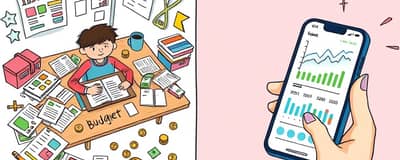
Conquer Your Cash Flow: Essential Budgeting Tools for Stability

In a world where financial uncertainty can feel overwhelming, taking control of your cash flow is the gateway to security and freedom. Mastering your cash flow is the first step toward transforming stress into strategic advantage.
Whether you're navigating personal finances or steering a business, the right tools can turn chaos into clarity. From zero-based budgeting to automated projections, technology offers powerful solutions to track and plan with confidence.
This article dives deep into essential budgeting tools that empower you to forecast, monitor, and optimize every dollar. Essential features that drive success are explored alongside practical guidance for implementation.
Understanding Cash Flow Basics
Cash flow is the lifeblood of any financial endeavor, representing the movement of money in and out. Incoming versus outgoing funds determine stability and impact every decision you make.
Effective management starts with forecasting future positions to avoid shortfalls. Tools that project 30 to 90 days ahead help you anticipate needs and seize opportunities.
- Define cash flow as income minus expenses for clarity.
- Use projections to plan for seasonal variations or unexpected costs.
- Model scenarios to test financial impacts of changes like revenue dips.
Real-time tracking ensures you're always informed, with automated updates from bank feeds reducing errors and saving valuable time.
Why Budgeting Tools Matter for Stability
Budgeting tools revolutionize how you handle money by enabling proactive control. Proactive allocation prevents overspending and aligns funds with your priorities for growth.
They support methods like zero-based budgeting, where every dollar is assigned a specific job. This approach eliminates waste and ensures goals are met consistently.
- Automate expense categorization for accuracy and efficiency.
- Track net worth to gauge overall financial health over time.
- Set and monitor savings goals for milestones like emergencies or retirement.
Advanced tools offer long-term forecasting up to 10 years, providing insights into bills, debts, and investments for a holistic view of your finances.
Personal vs. Business Budgeting Tools
Choosing the right tool depends on your unique context and needs. Personal apps focus on simplicity and sharing, often featuring user-friendly interfaces for households.
For individuals, apps like YNAB or Monarch Money excel with autocategorization and shared wallets. In contrast, business software like QuickBooks integrates accounting and invoicing for complex operations.
Businesses benefit from real-time data synchronization, allowing seamless integration with bank systems to support informed, timely decisions across departments.
Key Features to Prioritize in Budgeting Tools
Not all tools are created equal, so prioritizing features is crucial for success. Account syncing and AI categorization enhance accuracy and reduce manual effort significantly.
Customizable budgets, such as envelope systems or category limits, offer flexibility to match your lifestyle. Visualizations like charts and graphs make complex data easy to digest and act upon.
- Prioritize tools with bank feed integrations for real-time updates.
- Look for AI-driven insights and autocategorization to streamline tracking.
- Ensure compatibility with other software like QuickBooks or Xero.
- Opt for tools offering free trials to test functionality before committing.
Mobile apps with intuitive dashboards encourage regular use and help you stay on top of your finances anytime, anywhere.
Free vs. Paid Options: Finding the Right Balance
Budgeting doesn't have to be expensive, with many free tools providing solid foundations. Free tools like Google Sheets or EveryDollar offer basic functionality ideal for beginners.
Paid options, such as Copilot Money at $13 per month, deliver advanced features like AI categorization and detailed cash flow snapshots for deeper insights.
- Free tools are best for simple needs or starting out.
- Paid tools excel in automation, advanced forecasting, and premium support.
- Consider freemium models that scale with your growing requirements.
Evaluating your specific needs ensures that investment in the right tool pays off through saved time and improved financial outcomes over the long term.
How to Select Your Perfect Budgeting Tool
Selection should be based on usability, scalability, and real-world feedback. Tools rated 4.8 or higher on app stores often indicate reliability and high user satisfaction.
For businesses, integration with existing accounting systems is key to avoiding disruptions. Scalability from small to enterprise levels ensures the tool grows with your needs.
- Assess ease of use through demos or online tutorials.
- Check for integrations with banks and other essential software.
- Read user reviews to gauge performance and support quality.
- Look for tools with educational resources for ongoing learning.
Choosing a tool that grows with you prevents frequent switches and maintains consistency in your financial management.
Mastering Implementation for Lasting Stability
Effective implementation requires a strategic approach to maximize tool benefits. Sync all accounts for comprehensive tracking from the start to capture every transaction.
Set clear, achievable goals and review them weekly to stay aligned. Adjust budgets based on changing circumstances or scenario plans to remain agile.
- Start by syncing bank, credit card, and investment accounts.
- Define short-term and long-term financial goals with specific timelines.
- Use scenario planning to prepare for events like business expansions.
- Combine tool use with financial education through courses or videos.
Consistency in monitoring and adjusting is essential for maintaining cash flow stability and achieving your financial dreams.
Top Budgeting Tools at a Glance
To simplify your decision-making, here's a table highlighting some of the top tools across personal and business categories.
This table provides a snapshot; explore each tool's details to find your perfect match. Tools like QuickBooks and Float are award-winning for their robust features and reliability in diverse settings.
Conclusion: Embrace Your Financial Future
Conquering your cash flow is within reach with the right tools and a committed mindset. Stability stems from informed decisions and consistent action, powered by technology that simplifies complexity.
Start by assessing your needs, experimenting with free trials, and committing to regular use. Transform financial anxiety into confident planning and watch your stability grow over time.
Remember, the journey to financial health is ongoing. Leverage these essential budgeting tools to build a foundation that supports your dreams and secures a prosperous future for years to come.
References
- https://vivacf.net/insights/cash-flow-budgeting-tools-business-owners/
- https://www.nerdwallet.com/finance/learn/best-budget-apps
- https://www.americanexpress.com/en-us/business/trends-and-insights/articles/7-cash-flow-management-tools-worth-checking-out/
- https://www.purdueglobal.edu/blog/student-life/budgeting-apps-personal-finance-tools/
- https://www.universalfunding.com/cash-flow-tools/
- https://www.fina.money/blog/best-finance-tracker
- https://www.uschamber.com/co/run/technology/budgeting-features-and-tools
- https://www.youtube.com/watch?v=ILhTJWfybuc
- https://www.abacum.ai/blog/business-budgeting-software-buyers-guide
- https://www.cubesoftware.com/blog/best-cash-flow-management-software-tools
- https://www.empower.com/tools/budgeting-cash-flow
- https://www.tesorio.com/blog/the-7-best-cash-flow-management-software-for-finance-teams-2025-guide