Credit Card Debt Consolidation: Paths to Freedom
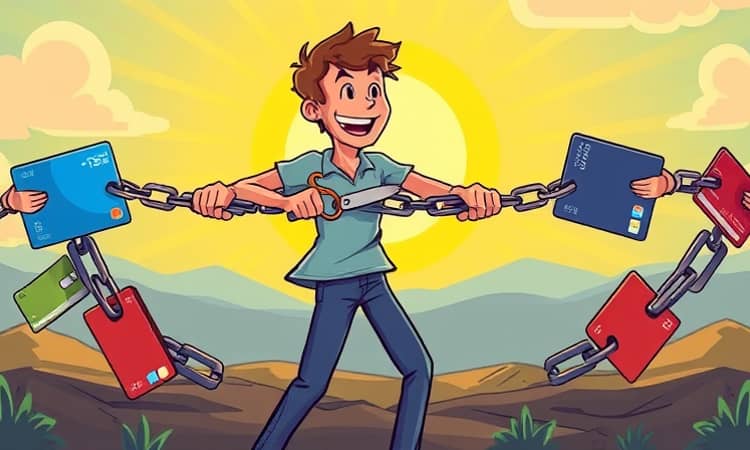
In today's economy, many Americans find themselves burdened by high-interest debts, struggling to keep up with multiple payments and watching their balances grow despite their best efforts.
The average U.S. household carries a significant amount of credit card debt, often hovering around $11,000, with interest rates that can exceed 20%.
This financial strain can feel overwhelming, but there is hope through strategies like debt consolidation, which offers a path to simplified payments and potential savings.
By understanding the current landscape and exploring consolidation methods, you can take control of your finances and move towards a brighter future.
The Current Credit Card Debt Crisis
As of 2026, credit card debt in the United States has reached alarming levels.
Balances are near record highs, with the national average credit card APR standing at 19.65%, and in some cases, exceeding 20%.
This means that for many, minimum payments barely cover the interest, leaving the principal balance largely untouched.
The growth in debt, estimated at $463 billion since 2021, highlights the widespread challenge faced by consumers.
Factors such as rising living costs and high APRs on various card types exacerbate the situation.
- Average household debt: Just under $11,000, with some estimates as high as $14,015 for those considering consolidation.
- Credit card APRs: Ranging from 19.65% to over 27% for specific card types like dining rewards or student cards.
- Debt growth: Significant increases in balances, though 2026 shows signs of stabilization with the smallest expected growth since 2013.
This environment makes it crucial to seek effective solutions to manage and reduce debt before it spirals out of control.
What Is Debt Consolidation?
Debt consolidation involves combining multiple high-interest debts into a single loan with a lower interest rate.
The primary method is using a personal loan to pay off debts such as credit cards, medical bills, and retail store cards.
This rolls various payments into one fixed monthly payment with a set term, often ranging from 36 to 60 months.
Alternatives include balance transfers with introductory 0% offers or cash-out refinancing using home equity.
By consolidating, you can streamline your finances and focus on a clear repayment plan.
- Primary method: Personal loans for unsecured debts like credit cards and medical bills.
- Key features: Fixed rate, set term, simplified billing for better management.
- Common debts consolidated: High-interest revolving debt that qualifies for refinancing.
This approach transforms chaotic payments into a structured journey towards debt freedom.
Interest Rates and Potential Savings
One of the biggest advantages of debt consolidation is the potential for lower interest rates compared to credit cards.
Personal loan averages in January 2026 were around 12.20%, significantly lower than the typical credit card APR of 19.65% or higher.
For example, with excellent credit, rates can be as low as under 7%, offering substantial savings over time.
Consider a $10,000 debt at an average credit card rate of 22%; consolidating to a loan at 10.49% could save approximately $50 per month.
On a larger scale, a $20,000 debt refinanced from 24% to 6.75% can reduce monthly payments from $530 to $393 and cut interest from $11,800 to $3,600 over five years.
This table shows how consolidation can positively impact credit scores across different tiers, with the most significant improvements for those with prime or below scores.
These savings translate into real financial relief and accelerated debt payoff.
Benefits of Debt Consolidation
Consolidation offers several key benefits that can transform your financial health and mindset.
Firstly, it provides lower interest rates, which means more of your payment goes towards the principal.
This leads to a faster payoff compared to making minimum payments on multiple cards.
Simplifying payments to one bill reduces the risk of missed due dates and late fees.
With a fixed monthly payment, budgeting becomes more predictable and manageable.
Additionally, many consolidators experience a credit score boost, with 68% seeing an increase of over 20 points within a year.
- Lower rates: Often half or less of credit card APRs, saving money long-term.
- Faster debt elimination: Fixed terms ensure consistent progress towards zero balance.
- Simplified finances: One payment instead of many, reducing stress and confusion.
- Improved credit: Reduced utilization and better payment history enhance scores.
- Long-term benefits: Fewer delinquencies and more credit offers after consolidation.
These advantages provide peace of mind and a clear, actionable path out of debt.
Risks and Considerations
While consolidation has many benefits, it's important to be aware of potential drawbacks and plan accordingly.
Taking out a consolidation loan can initially increase your total debt balance, which might be concerning if not managed properly.
There's also the temptation to reuse credit cards after paying them off, leading to a cycle of new debt.
Qualifying for low rates requires a decent credit score; those with poor credit may face high APRs or rejection.
Short-term credit score dips are possible due to hard inquiries and changes in credit utilization.
- Initial debt increase: Loan adds to overall balance, requiring discipline in repayment.
- Risk of new charges: Avoiding re-accumulation is critical for success.
- Credit requirements: Better scores secure better rates, so check your credit first.
- Potential fees: Origination or other costs may apply, so read loan terms carefully.
By understanding these risks, you can mitigate them and use consolidation effectively for lasting change.
Who Should Consider Debt Consolidation?
Debt consolidation is ideal for individuals with high-interest debts who are committed to repayment and financial improvement.
If you have an average or better credit score, you're likely to qualify for favorable rates that make consolidation worthwhile.
In the 2026 context, with high card rates persisting despite Fed cuts and rising living costs, consolidation can be a strategic move.
It's also suitable for those seeking to simplify their finances and improve their credit over the long term for future opportunities.
- Ideal candidates: Those with multiple high-interest debts like credit cards or medical bills.
- Credit score: Prime or above for best rates, but even subprime can see benefits.
- Commitment: Willingness to avoid new debt and stick to a structured plan.
- 2026 factors: Stabilizing balances but high interest rates make timing advantageous.
If this describes your situation, consolidation might be your path to freedom from financial stress.
Steps to Successfully Consolidate Debt
To embark on this journey, follow a structured approach that ensures success and minimizes pitfalls.
Start by calculating all your debts and their interest rates to understand the total amount and prioritize high-cost obligations.
Next, compare loan offers from various lenders, including credit unions and online platforms, to find the best rate and terms.
Once you secure a loan, use it to pay off your high-interest debts immediately to stop accruing interest.
After consolidation, avoid charging new expenses on your credit cards to prevent falling back into debt.
Finally, track your progress regularly and celebrate milestones as you reduce your balance and improve your credit.
- Assess your debts: List all balances and APRs to see the full picture.
- Shop for loans: Compare rates and terms from multiple sources for the best deal.
- Apply and consolidate: Use the loan to pay off debts swiftly and efficiently.
- Change spending habits: Cut up or store credit cards away to resist temptation.
- Monitor and adjust: Keep an eye on your budget and credit score for ongoing success.
These steps can help ensure a smooth and successful consolidation process that leads to lasting financial health.
Conclusion: Embracing Financial Freedom
Credit card debt consolidation is more than just a financial tool; it's a lifeline for those drowning in high-interest obligations.
By leveraging lower rates, simplified payments, and the potential for credit improvement, you can break free from the chains of debt.
Remember, the journey requires discipline and commitment, but the rewards—financial peace and freedom—are well worth it.
In 2026 and beyond, take control of your finances and pave your own path to a debt-free life with confidence and hope.
Start today by exploring your options and taking the first step towards liberation and a brighter financial future.
References
- https://www.bankrate.com/personal-finance/debt/pros-and-cons-of-debt-consolidation/
- https://newsroom.transunion.com/debt-consolidation-often-results-in-higher-credit-scores-and-better-credit-performance/
- https://www.peopledrivencu.org/other/debt-consolidation/is-debt-consolidation-worth-it-a-2026-analysis/
- https://www.lendingtree.com/debt-consolidation/
- https://www.khou.com/article/money/credit-card-balance-interest-rates-2026/285-0c38cbe6-d573-4bcf-b16a-c59afe30c9ac
- https://www.rocketmortgage.com/learn/high-rate-debt-consolidation
- https://www.lendingtree.com/credit-cards/study/credit-card-debt-statistics/
- https://ficoforums.myfico.com/t5/General-Credit-Topics/Debt-Consolidation-Success-Stories-Did-It-Boost-Your-Score/td-p/6836612
- https://www.consolidatedcredit.org/financial-news/your-2026-debt-reset-the-smartest-ways-to-start-the-year-strong/
- https://www.experian.com/loans/debt-consolidation/
- https://www.cbsnews.com/news/why-credit-card-debt-relief-makes-sense-for-2026/
- https://www.bankrate.com/loans/personal-loans/debt-consolidation-loans/
- https://www.nationaldebtrelief.com/resources/debt-consolidation-relief/debt-consolidation-stats/