Managing Joint Credit Cards: A Relationship Guide
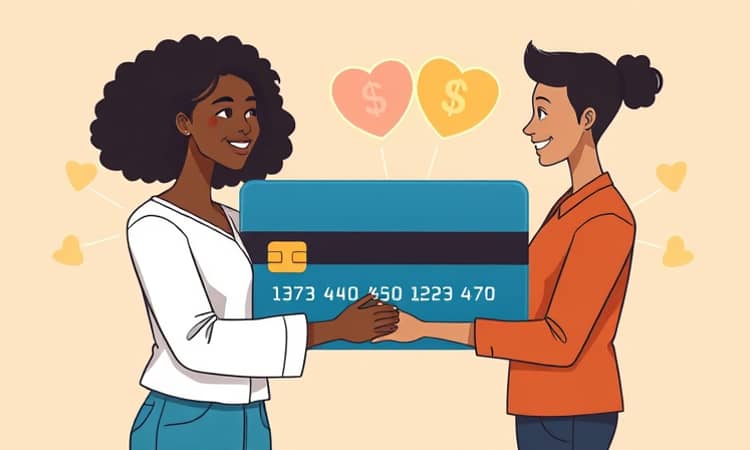
In the journey of shared finances, joint credit cards emerge as a potential bridge to unity, yet they carry risks that test the very foundation of trust.
These accounts allow two people to share full ownership and responsibility, blending their financial lives into one cohesive unit.
However, with great power comes great accountability, making it crucial to understand the nuances before diving in.
Pros and Cons: Weighing the Benefits and Risks
Joint credit cards offer several advantages that can enhance financial harmony.
- Increased borrowing power and better terms from combined incomes.
- Credit-building opportunities for both holders through positive history.
- Simplified expense management with fewer bills to track.
- Faster rewards accumulation, allowing shared perks to grow quickly.
- Streamlined joint finances for easier access to shared needs.
But the downsides are equally significant and require careful consideration.
- Shared liability for all debt, impacting both parties equally.
- Credit score damage from late payments or defaults on both sides.
- Potential relationship strain from spending disagreements or breakups.
- Limited availability among issuers, making them hard to find.
- Difficulty in exiting the account without closing it entirely.
Joint vs. Alternatives: Understanding Your Options
Before committing, compare joint credit cards with other common arrangements.
This comparison highlights why many opt for authorized user setups as a safer start.
Impacts on Credit and Finances
Your credit scores become intertwined with a joint card, making every action consequential.
Missed payments or high balances can harm both parties equally, dragging down hard-earned progress.
Conversely, consistent on-time payments boost scores together, fostering a sense of shared achievement.
This dynamic requires vigilance and open communication to protect your financial futures.
How to Apply and Qualify for a Joint Credit Card
Applying for a joint credit card involves specific steps that both parties must navigate together.
- Find issuers offering true joint accounts, which are rare.
- Gather both applicants' information, including credit profiles.
- Apply jointly online or in-person, undergoing credit checks.
- Set ground rules immediately for spending and payments.
- Monitor activity monthly and adjust as needed.
This process emphasizes the need for alignment from the very beginning.
Relationship Management Tips and Best Practices
Success with a joint credit card hinges on strong relationship habits and proactive strategies.
- Discuss expectations upfront about budgets and spending habits.
- Use tools like spending limits and alerts for better control.
- Build trust through transparent communication and timely payments.
- Plan for changes, such as exit strategies in case of separation.
- Consider starting as an authorized user to test compatibility.
These practices can transform financial management into a bonding experience.
Risk Mitigation Strategies
To safeguard your relationship and finances, implement practical risk mitigation measures.
- Establish clear budgets and stick to them religiously.
- Set individual spending caps to prevent overspending.
- Regularly review statements together to catch issues early.
- Have a contingency plan for debt repayment if things go south.
- Keep separate emergency funds to maintain financial independence.
These steps help create a safety net that reinforces commitment.
When to Avoid Joint Credit Cards
Not every relationship is ready for the intensity of a joint credit card.
Avoid them if there are mismatched financial habits or trust issues that could escalate.
Also, steer clear in unstable relationships where future separations are likely.
In such cases, alternatives like authorized user accounts offer a lower-risk path forward.
Conclusion
Joint credit cards can be a powerful symbol of partnership, but they demand maturity and diligence.
By weighing the pros and cons, using the table for clarity, and following best practices, couples can navigate this financial tool successfully.
Remember, the goal is to strengthen your bond, not strain it, so choose wisely and communicate openly.
References
- https://www.pnc.com/insights/personal-finance/spend/what-is-joint-credit.html
- https://www.experian.com/blogs/ask-experian/the-pros-and-cons-of-a-joint-credit-card/
- https://www.americanexpress.com/en-us/credit-cards/credit-intel/joint-credit-cards/
- https://myhome.freddiemac.com/blog/financial-education/how-does-joint-credit-card-account-affect-my-credit
- https://www.nerdwallet.com/credit-cards/learn/opening-joint-credit-card-account
- https://www.earnin.com/blog/what-is-a-joint-credit-card-pros-and-cons
- https://www.sofi.com/learn/content/joint-credit-card/
- https://thepointsguy.com/credit-cards/joint-credit-cards-bad-idea/
- https://www.capitalone.com/learn-grow/money-management/what-to-know-about-joint-credit-cards/
- https://www.gingoldbankruptcylaw.com/Articles/What-to-Know-Before-You-Sign-The-Pros-and-Cons-of-Joint-Credit/
- https://www.experian.com/blogs/ask-experian/what-is-joint-credit-card/
- https://www.creditcanada.com/blog/relationships-finances-the-pros-and-cons-of-joint-credit-cards
- https://ramp.com/blog/guide-to-joint-credit-for-business-owners
- https://www.bankrate.com/credit-cards/advice/pros-cons-adding-partner-as-authorized-user/
- https://www.citi.com/credit-cards/debt-management/shared-credit-cards