The Future of Lending: What's Next for Borrowers?
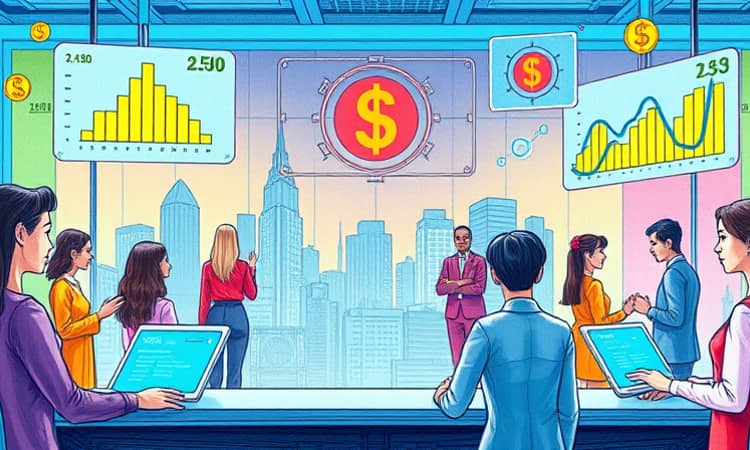
As we step into 2026, the lending industry stands at the brink of a transformative era.
Borrowers are about to witness a revolution in how credit is accessed and managed.
This change is driven by advanced artificial intelligence integration and relentless digital innovation.
It promises to make borrowing faster, more inclusive, and deeply personalized.
Yet, it also introduces new challenges that require careful navigation.
The Rise of Agentic AI and Automation
Agentic AI is becoming the core engine of lending operations.
It directs underwriting, fraud detection, and servicing with minimal human input.
This shift enables instant loan decisions and more accurate credit assessments.
- Uses alternative data like transaction histories for inclusive scoring.
- Enables predictive analytics to enhance fraud detection.
- Transforms chatbots into proactive advisors for borrowers.
For borrowers, this means tailored experiences and faster access to funds.
MLOs can manage larger pipelines efficiently with AI tools.
Digital Channels and Frictionless Experiences
The move to digital-owned journeys is accelerating rapidly.
Borrowers now expect seamless experiences through apps and websites.
End-to-end digitization allows for instant origination and funding.
- Auto-fill forms reduce application friction significantly.
- Real-time payment rails enable same-day settlements.
- Embedded finance brings lending to the point of need.
Speed and transparency have become table stakes in modern lending.
This shift is driven by consumer demand for convenience.
Personalization and Customization
Data-powered tailoring is redefining the borrower experience.
Open finance and real-time data sharing enable deep customization.
Lenders can offer dynamic loan terms based on individual behavior.
- AI-driven campaigns prompt refinancing at optimal times.
- Loyalty programs and personalized offers build stronger relationships.
- Neobanks challenge incumbents with innovative approaches.
This personalization enhances borrower satisfaction and loyalty.
Economic and Credit Challenges
Despite technological advances, economic headwinds persist.
Slowing loan growth and credit stress are key concerns for 2026.
Prime borrowers are favored while subprime segments face delinquency.
- $1.6 trillion in CDs maturing could lead to deposit volatility.
- Rate cuts may trigger a rebound in corporate lending.
- Fraud acceleration requires tighter risk models.
Borrowers must stay informed about these economic shifts.
Regulatory and Compliance Shifts
New regulations are shaping the lending environment globally.
EU and UK directives, along with US data protection laws, are critical.
AI compliance requirements and borrower consent are becoming central.
- Open finance frameworks ensure secure data sharing.
- Stablecoins and crypto-backed loans are gaining traction.
- Heightened scrutiny on collections practices is expected.
Borrowers benefit from enhanced data security and transparency.
Inclusive and Partnership-Driven Lending
Inclusivity is a growing focus in the lending industry.
Efforts to serve diverse borrowers are expanding through partnerships.
Partnerships with fintechs are essential for innovation and distribution.
- Programs for first-time homebuyers offer down payment assistance.
- Educational resources support first-generation borrowers.
- Mortgage loan officers leverage AI tools for better service.
This approach makes lending more accessible and equitable.
Emerging Innovations
The convergence of crypto and traditional finance is accelerating.
Data security and trust are paramount in this new era.
Crypto-backed loans and agentic commerce are on the rise.
AI-enhanced risk models reduce operational costs significantly.
Digital ecosystems are becoming more integrated and user-friendly.
Key Statistics Shaping the Future
To understand the scale of change, consider these pivotal numbers.
These statistics highlight the dynamic and evolving nature of lending.
Borrower-Centric Insights
For borrowers, the future holds both promise and peril.
Advantages include faster access to funds and more personalized terms.
However, risks like fraud and credit stress cannot be ignored.
Borrowers benefit from inclusivity through alternative data usage.
Affordability programs make lending more accessible to diverse groups.
Youth are shifting towards neobanks for their digital-first approaches.
High-performing lenders focus on building trust and educating borrowers.
Conclusion
The future of lending is being written today with technology at its core.
Borrowers can look forward to a more efficient and tailored borrowing experience.
By embracing these changes, they can navigate the challenges ahead successfully.
2026 is indeed a transition year towards a brighter financial future for all.
References
- https://www.lendkey.com/lend/blog/digital-lending-insights/top-5-lending-trends-you-cant-ignore-in-2026/
- https://www.jifiti.com/blog/top-6-lending-technology-trends-for-banks-for-2026/
- https://bridgeforce.com/insights/financial-services-trends-what-leaders-should-watch-in-2026/
- https://javelinstrategy.com/research/2026-digital-lending-trends
- https://www.oncourselearning.com/resources/mortgage-industry-trends-2026
- https://britepayments.com/resources/article/consumer-lending-trends-2026/
- https://www.deloitte.com/us/en/insights/industry/financial-services/financial-services-industry-outlooks/banking-industry-outlook.html
- https://www.innreg.com/blog/fintech-trends-2026
- https://www.meridianlink.com/blog/2026-banking-and-lending-trends/
- https://www.grasshopper.bank/who-we-are/blog/2026-banking-trends-how-data-security-and-trust-will-define-the-next-era/
- https://rfi.global/trends-the-challenges-and-opportunities-facing-us-financial-institutions-in-2026/
- https://www.paymentsdive.com/news/how-payments-will-evolve-6-industry-trends-to-watch-in-2026/808869/
- https://www.mastercard.com/global/en/news-and-trends/stories/2025/2026-payment-trends.html